Spritz
A bright, bubbly Italian aperitif that balances bittersweet orange flavors with crisp Prosecco and a refreshing sparkle.
Ingredients
- 90 ml Prosecco
- 60 ml Aperol
- Splash of soda water
Garnish: Slice of orange
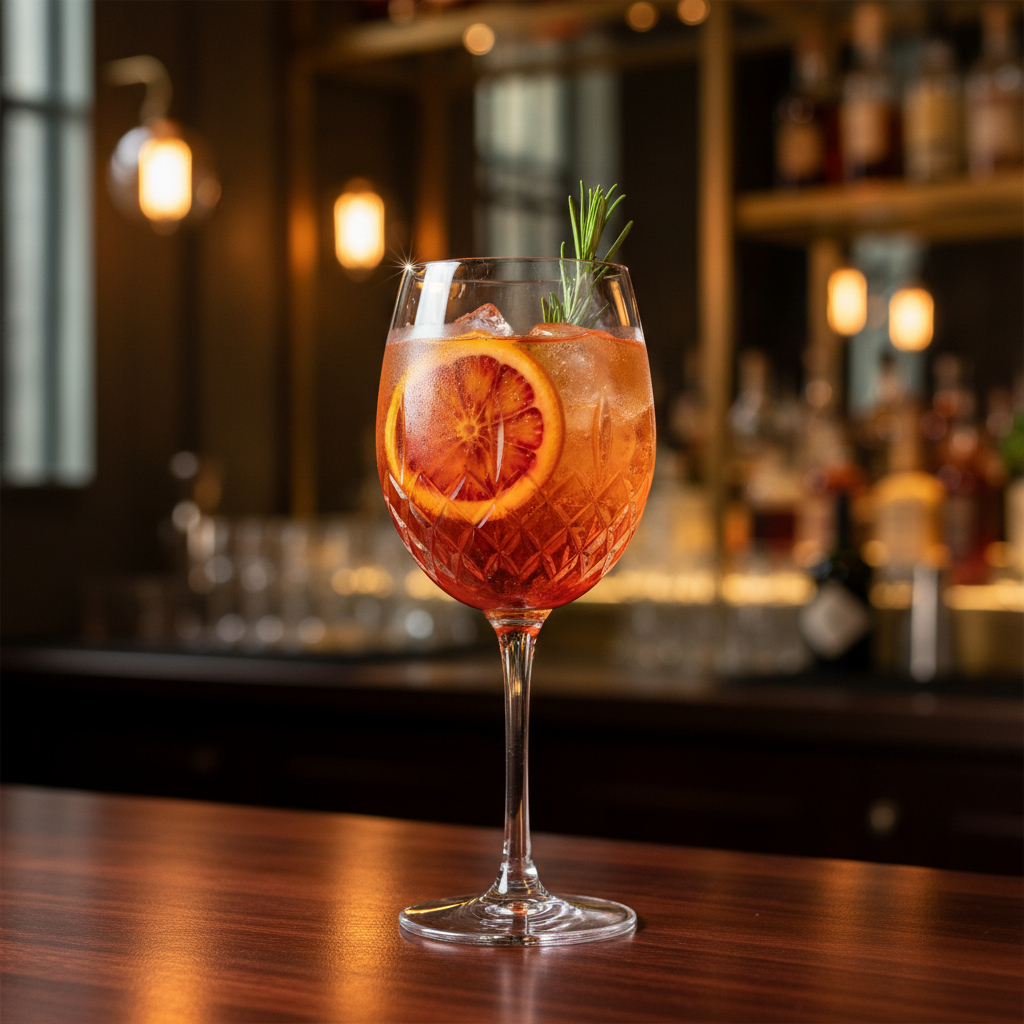
The Spritz is one of the great icons of Italian aperitivo culture: light, effervescent and beautifully bittersweet. Built directly in the glass, it combines the citrus bitterness of Aperol with the dry sparkle of Prosecco and a final splash of soda water to open up the aromas.
This cocktail is designed to whet the appetite rather than overwhelm it. Low in alcohol compared to many classic cocktails, it is perfect for hot afternoons, terrace drinks, or as a relaxed start to an evening. Its vivid orange color and generous slice of orange make it as visually striking as it is refreshing.
Recognized by the International Bartenders Association (IBA), the Spritz in its Aperol version has become a modern classic worldwide, bridging the gap between casual drinking and serious cocktail craft.
Instructions
Official Recipe:
- Fill a large wine glass completely with fresh ice cubes.
- Pour 90 ml of chilled Prosecco directly over the ice.
- Add 60 ml of Aperol.
- Top with a splash of chilled soda water (just enough to lift the aromatics, usually 20–30 ml).
- Stir gently with a bar spoon to combine, avoiding excessive loss of carbonation.
- Garnish with a fresh slice of orange, placed inside the glass.
Note: There are numerous regional versions of the Spritz that substitute Aperol with other Italian bitters such as Campari, Cynar, or Select.
Tips
- Use very cold ingredients: Chill the Prosecco, Aperol, and soda water well in advance. The colder they are, the better the bubbles will hold and the more refreshing the drink will be.
- Plenty of fresh ice: Fill the wine glass all the way to the top with solid, fresh ice. More ice keeps the drink colder for longer and reduces dilution.
- Add Prosecco first: Pouring the Prosecco before the Aperol helps preserve more carbonation and produces a gentler mix with less foam.
- Gentle stirring: Stir softly from the bottom of the glass to integrate the ingredients without knocking out too much fizz.
- Choose quality Prosecco: A dry (Brut or Extra Dry) Prosecco of good quality will give a cleaner, crisper finish and balance the sweetness of Aperol.
- Garnish with fresh citrus: A thick, juicy slice of orange is not just decorative; it adds fresh citrus oils that enhance the aroma.
- Adjust bitterness and strength: For a lighter, less bitter drink, add a little more soda water; for a more intense aperitif, reduce the soda slightly or increase the Aperol.
Classic Variations
- Campari Spritz: Uses Campari instead of Aperol for a deeper red color and a more assertive, bitter profile.
- Select Spritz: Made with Select Aperitivo, a Venetian favorite, offering a spicier, more herbal character and considered by many the original Venetian Spritz.
- Cynar Spritz: Replaces Aperol with Cynar, an artichoke-based bitter liqueur, giving a darker, vegetal bitterness and a more complex finish.
- Hugo Spritz: A floral twist using elderflower liqueur, Prosecco, soda water, and mint instead of Aperol for a lighter, aromatic aperitif.
- Lemon Spritz: Substitutes Aperol with limoncello, creating a brighter, sweeter and more lemon-forward sparkling cocktail.
Flavor Profile
On the first sip, you get a rush of bubbles and bright orange notes from the Aperol, balanced by the crisp, dry backbone of Prosecco. The sweetness is present but restrained, tempered by gentle bitterness.
On the mid-palate, herbal and rhubarb-like flavors from Aperol emerge, layered over the fruity, floral character of the Prosecco. The soda water lightens the body, making the drink feel airy and effortless.
The finish is clean and slightly bitter, with lingering orange peel and herbal tones that invite another sip, making the Spritz an ideal aperitif.
History
The Spritz has its roots in the 19th century Austro-Hungarian Empire, particularly in the Veneto region of northern Italy. Austrian soldiers stationed there found local Italian wines too strong and began asking for a “spritz” (from the German “spritzen”, to spray), diluting wine with a splash of water.
Over time, this simple mix of wine and water evolved. In the early 20th century, as Italian bitters and aperitifs flourished, bartenders began adding liqueurs such as Select (created in Venice in 1920), and later Aperol (introduced in 1919 in Padua). The combination of sparkling wine, bitter liqueur, and soda gradually became the modern Spritz.
The Aperol Spritz version gained massive popularity in the late 20th and early 21st centuries, becoming synonymous with the word “Spritz” in many countries. The International Bartenders Association (IBA) now recognizes the Spritz as an official cocktail, further cementing its status as a global aperitivo classic. Today, it remains a symbol of relaxed Italian living, from Venetian canals to rooftop bars worldwide.
Cheers!