Kir
A simple, elegant blend of dry white wine and crème de cassis, the Kir is a timeless French aperitif.
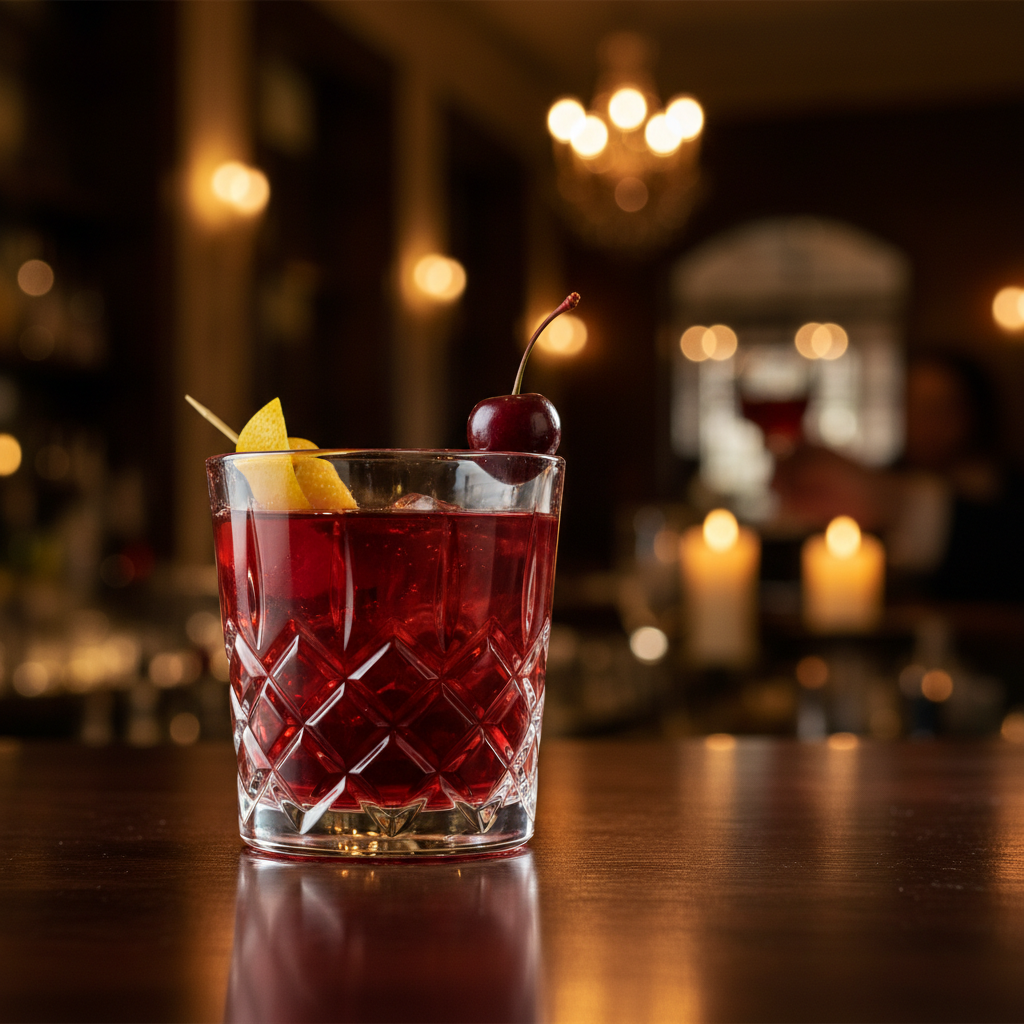
Ingredients
- 90 ml Dry White Wine (chilled)
- 10 ml Crème de Cassis
Garnish: Optional: a thin lemon twist or a single fresh blackcurrant (if available)
The Kir is a classic French aperitif that showcases the harmony between crisp dry white wine and the deep berry sweetness of crème de cassis. Elegant yet effortless, it is the kind of drink you can prepare in seconds and still feel like you are serving something truly sophisticated.
Traditionally enjoyed before a meal, the Kir is light, fragrant, and beautifully balanced. The cassis adds a ruby hue and subtle blackcurrant aroma, while the dry wine keeps the drink refreshing and food‑friendly. Its simplicity makes it perfect for entertaining, especially when you need to prepare several drinks quickly without any complex techniques.
Despite its minimal ingredient list, the Kir carries a rich cultural and historical background in French café and bistro culture. Recognized as an official IBA cocktail, it remains a symbol of understated French elegance in the world of mixed drinks.
Instructions
Official Recipe:
- Chill the dry white wine thoroughly in the refrigerator before preparing the drink.
- Pour 10 ml of crème de cassis into a chilled flute glass (or white wine glass).
- Top up with 90 ml of chilled dry white wine, pouring gently down the side of the glass to preserve the bubbles and avoid excess foaming if using a lightly sparkling wine.
- Stir very gently with a bar spoon once or twice if you want a perfectly even color, or leave it unmixed for a subtle layered effect that will blend as you sip.
- Garnish optionally with a thin lemon twist or a single fresh blackcurrant, then serve immediately.
Note: For a Kir Royal, replace the dry white wine with chilled Champagne or quality dry sparkling wine.
Tips
- Choose the right wine: Use a dry, neutral white wine such as Aligoté, Bourgogne Blanc, or another light, crisp style. Avoid oaky or aromatic wines that overpower the cassis.
- Mind the temperature: Both the wine and the glass should be well chilled. The Kir is meant to be refreshing, so keep everything cold and serve right away.
- Balance the sweetness: The 10 ml ratio of crème de cassis to 90 ml wine is classic, but you can adjust slightly: a little less cassis for a drier Kir, a little more for a fruitier version.
- Add cassis first: Always build the drink by pouring the crème de cassis into the glass first, then topping with wine. This ensures better mixing and a gentler, more elegant pour.
- Avoid shaking: Never shake a Kir; you would flatten the wine and lose its freshness. The drink is built directly in the glass.
- Use quality cassis: A good crème de cassis (ideally from Dijon or Burgundy) brings natural blackcurrant flavor and a rich color. Poor-quality liqueurs can make the drink cloying.
- Serve as an aperitif: The Kir shines before a meal. Pair it with light canapés, cheeses, or savory bites to enhance its role as a welcoming drink.
Classic Variations
- Kir Royal: Replace the dry white wine with chilled Champagne or dry sparkling wine for a more festive, bubbly version.
- Kir Breton: Use dry Breton cider instead of white wine, giving an apple‑and‑blackcurrant profile with lower alcohol.
- Kir Bourgignon: Prepare with a local Burgundy white wine (traditionally Aligoté) to stay truest to the drink’s origins.
- Kir Cardinal (or Communard): Swap the white wine for red wine to create a deeper, richer, darker-hued aperitif.
- Kir Pêche: Replace crème de cassis with crème de pêche (peach liqueur) for a softer, stone‑fruit interpretation.
Flavor Profile
On the first sip, you get a bright, lightly acidic hit from the chilled dry white wine, quickly wrapped in a soft layer of blackcurrant sweetness. The mid‑palate reveals notes of ripe berries, subtle floral tones, and sometimes a hint of spice depending on the cassis used. The finish is clean and refreshing, with lingering blackcurrant and a gentle dryness from the wine that invites another sip. Overall, the Kir is light‑bodied, fruity yet not cloying, and designed to awaken the palate.
History
The Kir has its roots in the Burgundy region of France, where local tradition married white wine with crème de cassis, a specialty blackcurrant liqueur from the area. Originally, the combination was known simply as a “blanc-cassis” and was enjoyed as a straightforward regional aperitif.
The drink took its modern name from Félix Kir, a Catholic priest and mayor of Dijon in the mid‑20th century. During his tenure, he is said to have served blanc‑cassis to visiting delegations and dignitaries, popularizing the drink under his own name. His hospitality helped transform a local custom into a widely recognized French classic.
Today, the Kir is listed as an official IBA cocktail in its International Bartenders Association “New Era Drinks” category. It remains a symbol of Burgundian culture and French aperitif tradition, inspiring a whole family of variations such as the Kir Royal and Kir Breton. Simple, adaptable, and elegant, it continues to be a favorite in cafés, brasseries, and home gatherings across the world.
Cheers!