Monkey Gland
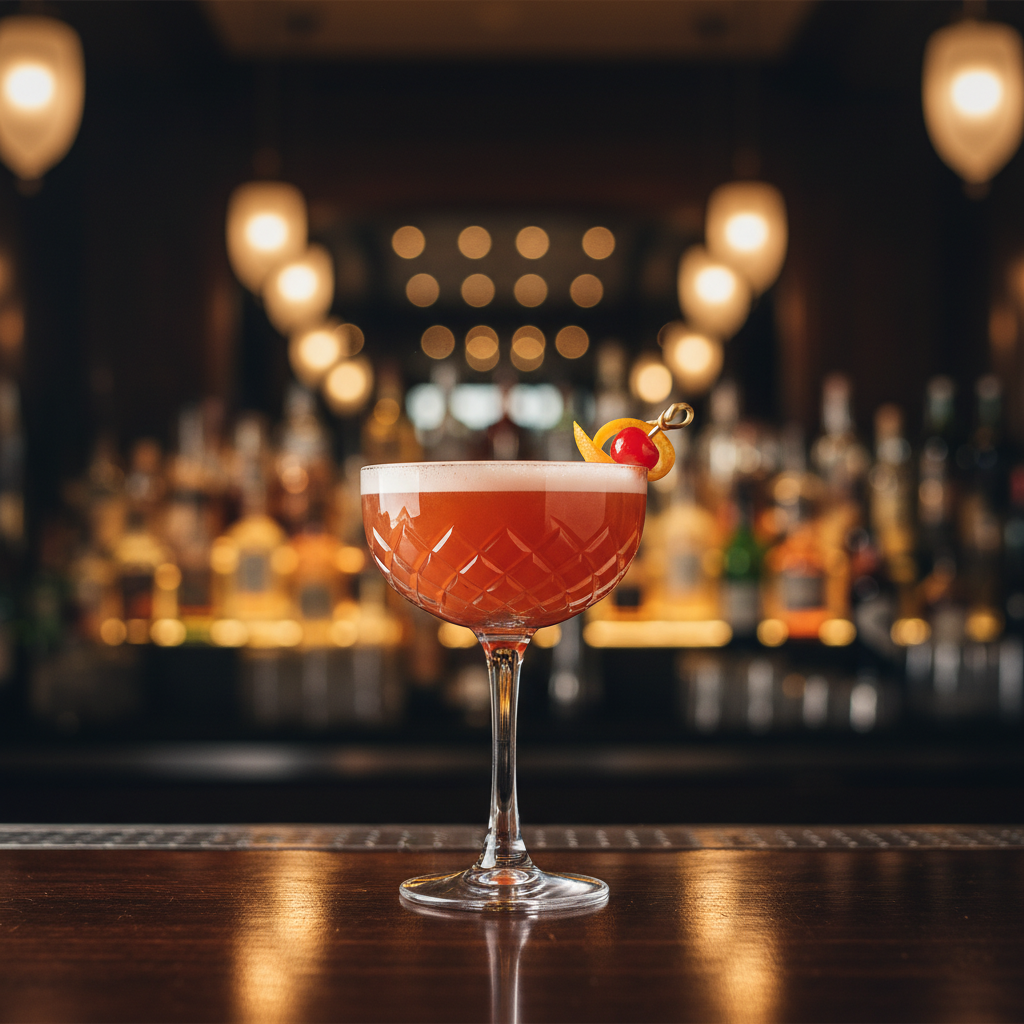
A bold Prohibition-era gin cocktail blending bright orange, sweet grenadine, and a whisper of absinthe.
Ingredients
- 45 ml Dry Gin
- 45 ml Fresh Orange Juice
- 1 tablespoon Absinthe
- 1 tablespoon Grenadine Syrup
Garnish: Optional: thin orange twist or flamed orange zest
The Monkey Gland is a daring classic from the roaring 1920s, combining dry gin with fresh orange juice, sweet grenadine, and a touch of absinthe. The result is a vibrant, aromatic cocktail where citrus brightness meets subtle herbal complexity.
Despite its playful (and slightly shocking) name, this is a well-structured drink: the gin provides a crisp backbone, orange brings freshness and volume, grenadine softens the edges with fruit sweetness, and absinthe adds a sophisticated anise note in the background. It is both approachable and intriguing, making it a great choice for guests who want something classic yet a bit off the beaten path.
Recognized as an official IBA cocktail, the Monkey Gland is a piece of cocktail history in a glass, perfect for gin lovers and adventurous drinkers alike.
Instructions
Official Recipe:
- Chill a cocktail glass by placing it in the freezer or filling it with ice and water.
- Measure 45 ml dry gin, 45 ml fresh orange juice, 1 tablespoon absinthe, and 1 tablespoon grenadine syrup into a cocktail shaker.
- Add plenty of ice cubes to the shaker to fill it about three-quarters full.
- Shake vigorously for about 10–12 seconds, until the outside of the shaker feels very cold.
- Discard the ice or water from the chilled cocktail glass if you used it for chilling.
- Strain the mixture into the chilled cocktail glass, using a fine strainer if you want an extra-smooth texture.
- Garnish optionally with a thin orange twist or a small piece of flamed orange zest, then serve immediately.
Note: The absinthe is powerful; measure it carefully to avoid overpowering the drink.
Tips
- Use freshly squeezed orange juice: Fresh juice is essential here. Packaged juice will make the cocktail flat and overly sweet, while fresh oranges give brightness and natural acidity.
- Balance the absinthe: Absinthe should play a supporting role. If your absinthe is very intense, slightly reduce the quantity to keep the anise note delicate.
- Choose a classic dry gin: A London Dry gin with clean juniper and citrus notes works best, providing structure without clashing with the orange and grenadine.
- Chill the glass well: A properly chilled cocktail glass keeps this drink crisp and refreshing, especially because there is no ice in the final serve.
- Fine strain for elegance: Using a fine strainer removes ice shards and pulp from the orange juice, giving a smooth, silky texture and a more professional appearance.
- Adjust sweetness if needed: Oranges vary in sweetness. Taste your orange juice first; if it is very sweet, slightly reduce the grenadine.
- Express the citrus oils: If using an orange twist, gently twist it over the surface of the drink to release the aromatic oils before dropping or discarding it.
Classic Variations
- Reduced-Absinthe Monkey Gland: Uses just a barspoon (instead of a full tablespoon) of absinthe for a softer, more citrus-forward profile.
- Rinsed Glass Version: Instead of shaking absinthe into the drink, you rinse the glass with absinthe and discard the excess, giving a lighter anise aroma.
- Blood Orange Monkey Gland: Replaces regular orange juice with fresh blood orange juice for deeper color and a slightly berry-like flavor.
- Dry Monkey Gland: Cuts or omits the grenadine for a drier, more gin-driven cocktail, preferred by those who dislike sweetness.
- Sparkling Monkey Gland: Served in a flute and topped with a splash of dry sparkling wine for a festive, bubbly twist.
Flavor Profile
On the first sip, you get bright, juicy orange and a gentle sweetness from the grenadine, wrapped around the crisp backbone of the gin. The texture is smooth and medium-bodied, thanks to the juice.
On the mid-palate, the juniper and citrus of the gin emerge more clearly, blending with subtle pomegranate notes from the grenadine. The flavors feel round yet still refreshing.
On the finish, delicate herbal and anise tones from the absinthe appear, lingering softly without dominating. The aftertaste is clean, slightly sweet, and pleasantly aromatic.
History
The Monkey Gland dates back to the 1920s, a time when cocktails and wild medical fads were both booming. It is widely credited to Harry MacElhone, the legendary bartender who owned Harry’s New York Bar in Paris, a famous gathering place for expatriates, artists, and writers.
The provocative name refers to an experimental (and now discredited) rejuvenation procedure that involved grafting animal glands onto humans, promoted by surgeon Serge Voronoff. MacElhone, known for his sense of humor and flair for marketing, used the name to create a cocktail that was as memorable as the fad it referenced.
Over the years, the Monkey Gland has remained a niche but respected classic. It is recognized today by the International Bartenders Association (IBA) in its “Unforgettables” category, securing its place in the canon of historic cocktails and ensuring it continues to be mixed in quality bars around the world.
Cheers!