Corpse Reviver #2
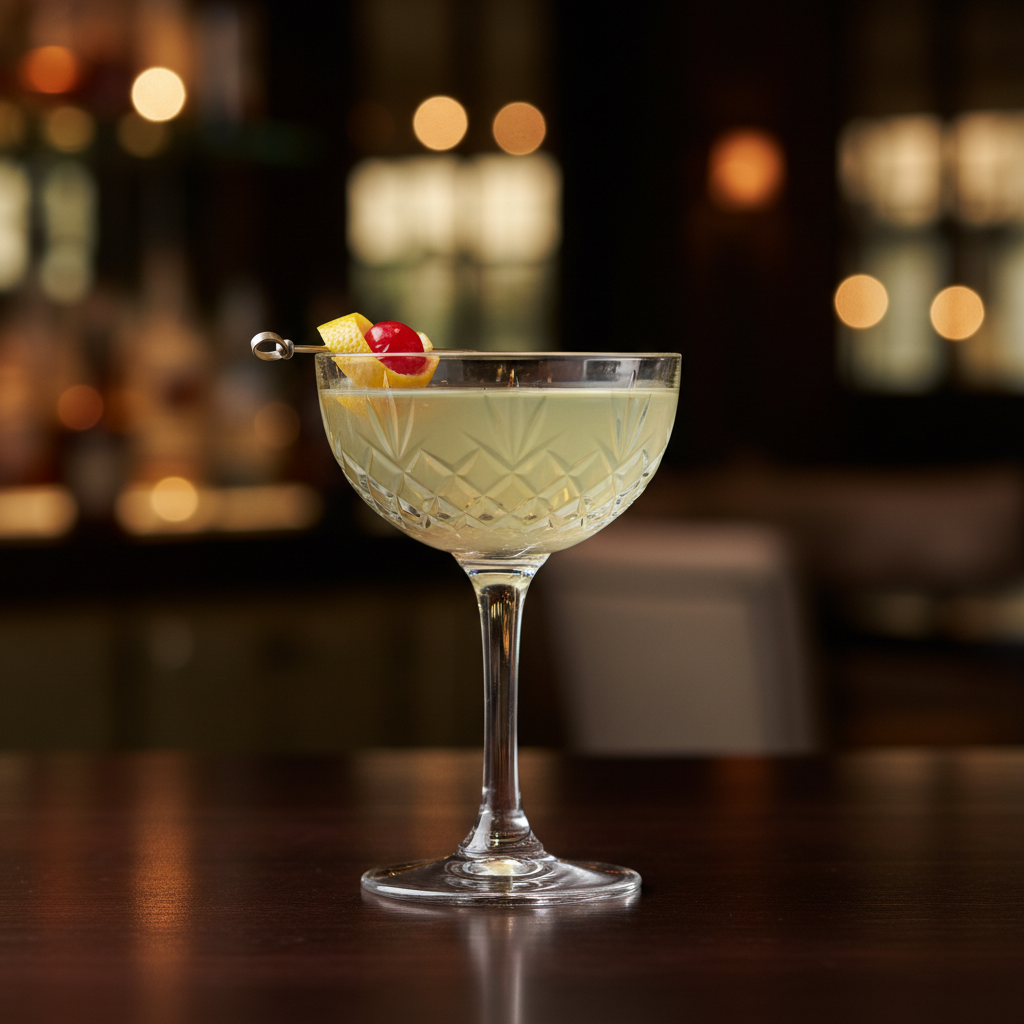
A bright, citrusy classic gin cocktail designed to wake the dead and refresh the living.
Ingredients
- 30 ml Gin
- 30 ml Cointreau
- 30 ml Lillet Blanc
- 30 ml Fresh Lemon Juice
- 1 dash Absinthe
Garnish: Orange zest (expressed over the drink, then added as garnish)
The Corpse Reviver #2 is one of the great pre-Prohibition classics: a sharp, aromatic gin sour layered with orange liqueur, Lillet Blanc, fresh lemon juice, and just a whisper of absinthe. Light in color but intense in character, it is as refreshing as it is sophisticated.
Originally conceived as a “morning-after” pick‑me‑up, this cocktail balances bright citrus with floral, herbal and faintly aniseed notes. The result is a drink that feels both crisp and luxurious, ideal as an aperitif, a brunch cocktail, or a showpiece in any classic‑leaning menu.
Its equal-parts structure makes it easy to remember yet surprisingly nuanced in the glass. The Corpse Reviver #2 is also an official IBA cocktail, cementing its place among the most important recipes in modern mixology.
Instructions
Official Recipe:
- Chill a Cocktail Glass by placing it in the freezer or filling it with ice and water while you prepare the drink.
- Add the gin, Cointreau, Lillet Blanc, and fresh lemon juice into a shaker.
- Dash the absinthe into the shaker (about 1–2 dashes, or a few drops), being careful not to overpower the drink.
- Fill the shaker with plenty of ice cubes, at least two-thirds full.
- Shake vigorously for about 10–12 seconds, until the shaker feels very cold on the outside.
- Discard the ice or water from the chilled Cocktail Glass and, if desired, rinse it lightly with a few drops of absinthe then discard the excess for extra aroma.
- Strain the mixture into the chilled Cocktail Glass using a Hawthorne strainer; optionally fine strain through a mesh strainer for a perfectly smooth texture.
- Express an orange zest over the surface of the drink to release the oils, then garnish with the zest on the rim or floating on top.
Note: The Corpse Reviver #2 is meant to be served very cold and enjoyed soon after mixing, before the flavors lose their edge.
Tips
- Use a dry, clean gin: Choose a London Dry gin with good botanical intensity but not too heavy on juniper, so it harmonizes with the orange and floral notes of Lillet.
- Fresh lemon only: Bottled lemon juice will flatten the drink; freshly squeezed juice is essential to achieve the bright, lively acidity this cocktail needs.
- Measure precisely: This is a finely balanced equal‑parts recipe. Use a jigger and respect the 30 ml for each main ingredient and just a dash of absinthe.
- Control the absinthe: Absinthe is powerful. Start with a dash in the shaker; if you want more anise character, add a light absinthe rinse to the glass rather than more in the mix.
- Shake hard and cold: A strong, short shake ensures proper dilution and a fine foam on top without over‑watering the drink.
- Serve immediately: This cocktail is at its best ice‑cold. Once strained, serve and drink promptly so the aromatics and citrus are at their peak.
- Choose the right Lillet: Modern recipes typically use Lillet Blanc or a similar aromatized wine (like Cocchi Americano). Keep it refrigerated and fresh; oxidized Lillet will mute the drink.
Classic Variations
- Corpse Reviver #1: The original version, built with brandy (often Cognac), Calvados, and sweet vermouth; richer, darker, and more autumnal.
- Savoy Spec Variation: Some bartenders slightly reduce the Cointreau or increase the gin to make the drink drier and more spirit‑forward.
- Blanc Vermouth Swap: Substitute Lillet Blanc with a quality blanc vermouth for a slightly less bitter, more floral profile.
- Absinthe Rinse Version: Instead of dashing absinthe into the shaker, rinse the glass with absinthe for a more aromatic, less integrated anise note.
- Grapefruit Twist: Replace the orange zest garnish with a grapefruit twist to highlight the bitter citrus dimension.
Flavor Profile
On the first sip, you get a bright rush of lemon and orange, lifted by the aromatics of gin and a delicate floral sweetness from the Lillet Blanc. The mid‑palate reveals more complexity: herbal notes from the gin botanicals, a gentle bitterness from the aromatized wine, and a subtle anise character from the absinthe.
The finish is clean, dry, and slightly vinous, with lingering citrus oils and a faint echo of herbs and spices. Overall, the Corpse Reviver #2 is crisp, aromatic, and perfectly balanced between sour, sweet, and bitter.
History
The Corpse Reviver #2 traces its origins to the early 20th century and was immortalized in Harry Craddock’s 1930 bar manual, The Savoy Cocktail Book. It belongs to a family of so‑called “corpse revivers”—potent “morning after” drinks that were jokingly recommended as remedies for hangovers.
Among the several Corpse Reviver recipes, the #2 became the most famous thanks to its elegant structure and refreshing profile. Craddock himself warned that “four of these taken in swift succession will unrevive the corpse again,” underscoring both the drink’s charm and its strength.
Today, the Corpse Reviver #2 is recognized as an official IBA cocktail, ensuring its place behind bars around the world. It has ridden the wave of the modern cocktail renaissance to become a benchmark classic—both a test of a bartender’s technique and a reliable favorite for guests who enjoy bright, aromatic, and historic drinks.
Cheers!